
Important Nutrients for Women
with Kristen Howard, Boone Health Clinical Dietician
There are several key vitamins and minerals that are important for women across their lifespans. Some are familiar and some are less familiar. They include calcium, vitamin D, magnesium, iron and choline.
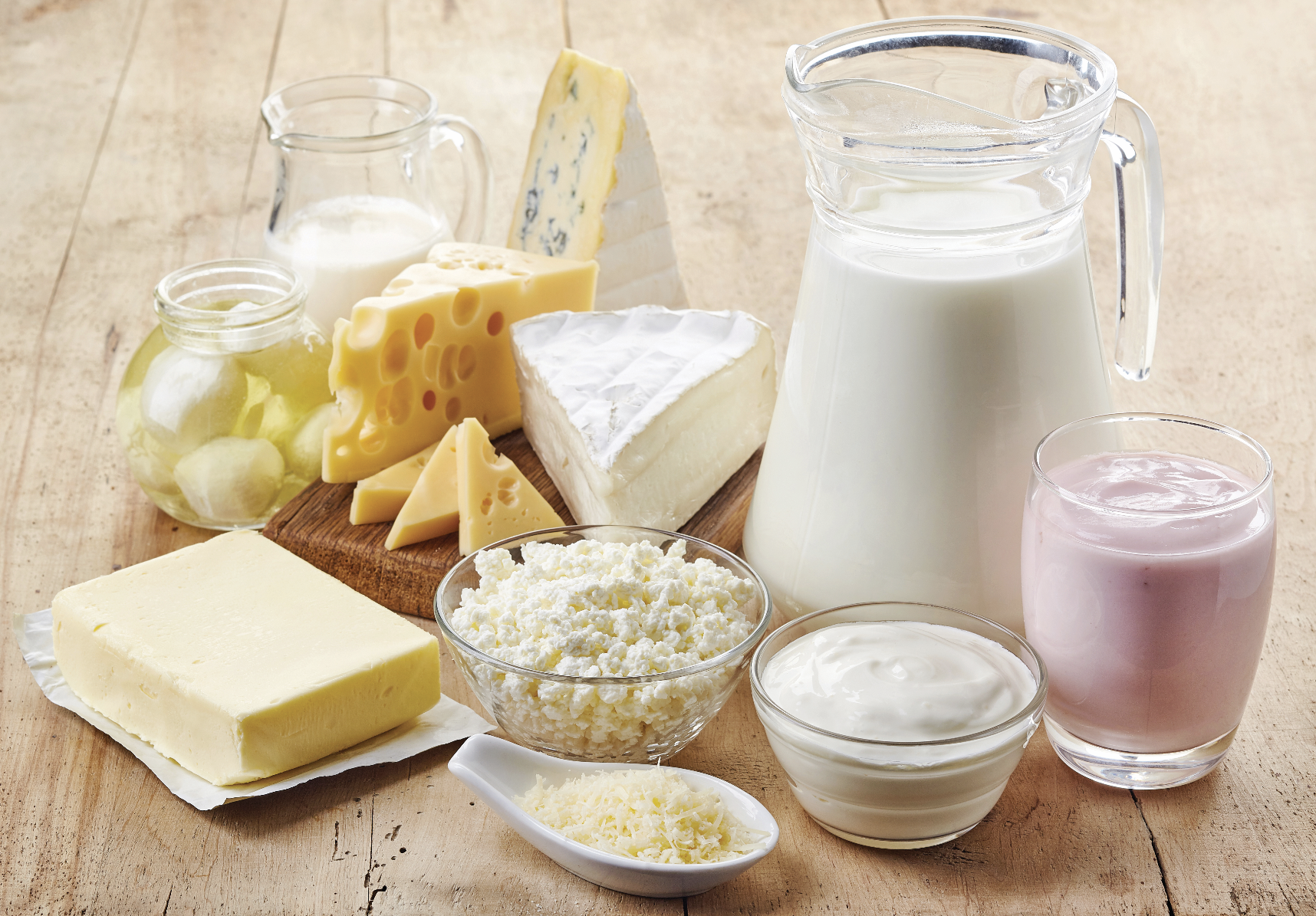
Calcium
Calcium is pretty well known, but a lot of us aren’t getting enough calcium if we’re not regular milk drinkers. As children, we are encouraged to drink our milk, but that falls off in adult hood. If you are not getting the daily amount of calcium needed, this might be a good mineral to supplement if dietary changes are not able to be made. Calcium is essential for keeping our bones strong and can help with preventing osteoporosis after menopause. Calcium is also important for hormone regulation as well as kidney health. During pregnancy, calcium plays a strong role in the development of the fetus’s bones and teeth. We build bones from calcium, so when we’re building the bones of our babies, we really need to make sure we are getting the right amount of calcium. Calcium amounts recommended in adult-hood are 1,000 mg/day for adult women 19-50. The amount increases to 1,200 mg/day for women over 50 years old.
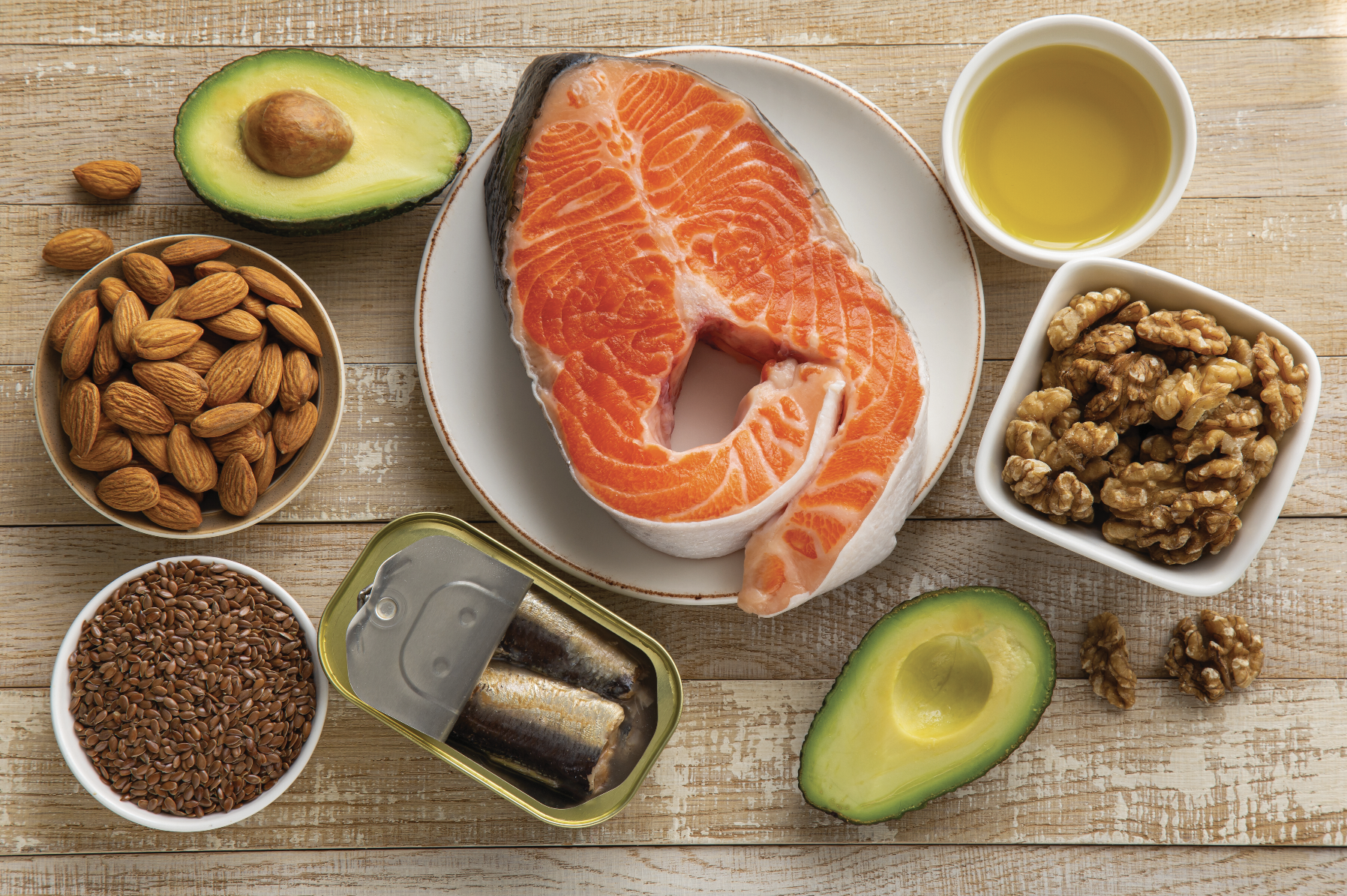
Vitamin D
Vitamin D is an essential nutrient for the body that may get overlooked. Vitamin D deficiency is very high, especially in Missouri. Our bodies get vitamin D from a chemical reaction from UVB rays in the sun once it reaches our skin. We only really get enough vitamin D from the sun between May – October. Then, during the winter months, you can spend time outside and still not get enough vitamin D. So, vitamin D supplementation can be really important. During pregnancy, vitamin D is important for immune health. When we are pregnant, our immune system is suppressed because we are trying to grow a baby. Our immune system will go down a little bit to keep the fetus inside our body. Because of that, it’s important to help the immune system by giving it a sufficient amount of vitamin D. Typically, below 30 ng/dL is considered deficient, and below 40 ng/dL is considered insufficient. A vitamin D maintenance dose for adults is 1,000 IU/day, but it’s best to talk with your primary care provider to determine the appropriate dose for your specific needs.
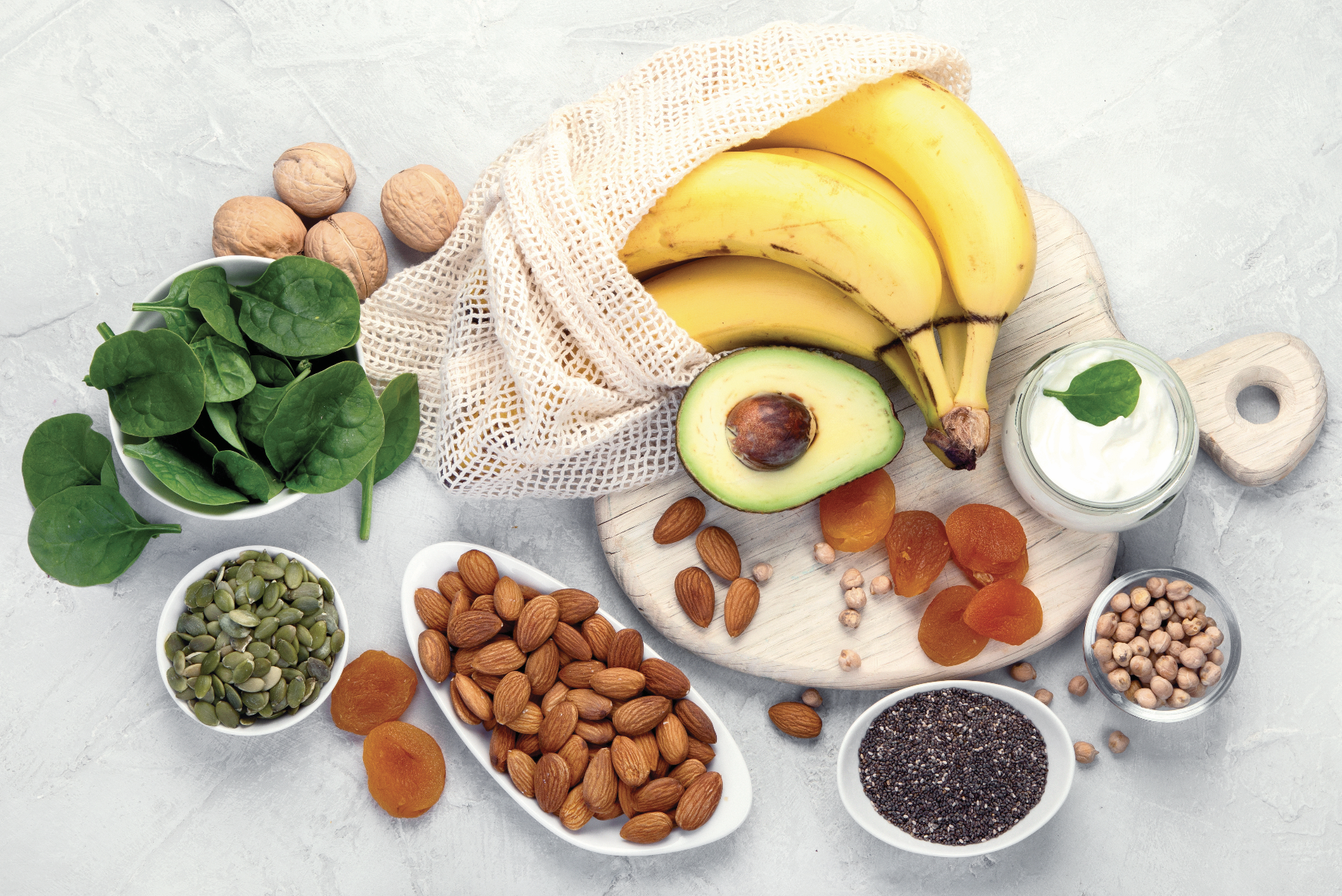
Magnesium
Magnesium is an essential nutrient, especially for aging women. In perimenopause and menopause, magnesium can help with sleep regulation, constipation and bowel regulation. It also aids in blood glucose control and blood pressure regulation. Magnesium also works with calcium and vitamin D to help maintain bone density. The estrogen in a woman’s body is really good for our bone health. It acts as a bone building block. But as women stop making estrogen, they start to lose a lot of their bone integrity and are at a higher risk for osteoporosis. Most Americans don’t get enough magnesium. Recommended amounts are about 400 mg/day. This varies slightly between men and women, but it’s typically found in nuts, seeds and leafy greens. If you’re not getting enough magnesium in your diet, try introducing more nuts and seeds. You’ll get the added magnesium, plus they are really good for your heart.
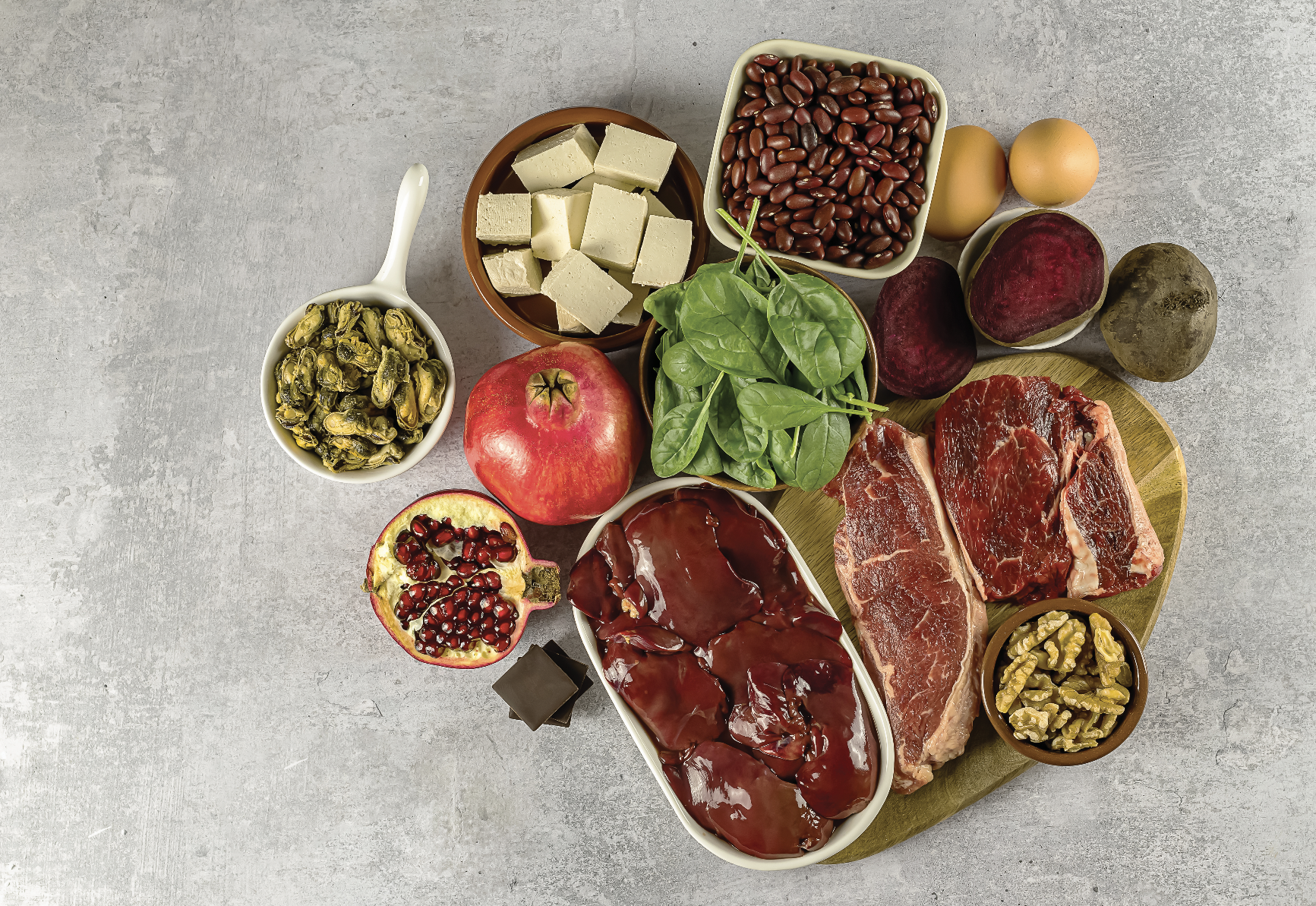
Iron
Iron is another key nutrient, but the amount you need will change throughout your life. When you are menstruating, you lose iron through your blood monthly. Women need 18 milligrams of iron a day, and men only need 8. So right off the bat, women have a much higher need for iron in their daily intake compared to men. Higher deficiencies of iron, resulting in anemia or generally lower iron levels, are seen overall in menstruating women. If that applies to you, iron supplementation may be needed. Be careful with gummy vitamins. Many do not contain iron, including prenatal gummies. In pregnancy, iron needs jump 50%, with women needing 27 milligrams of iron a day. Later in life, when a woman has entered menopause, her levels drop down to that of a man’s because her body is no longer losing iron monthly. Women’s iron recommendations change throughout their life, so it’s important to think about the phase of life that you’re in to decide how much iron you need.

Choline
Most people have never heard of choline before and don’t know what it is. Some call it the forgotten nutrient, but it’s a B Vitamin. It’s a significant factor for progesterone production in the body. For women who have Polycystic Ovarian Syndrome (PCOS) or any kind of menstrual syndrome like endometriosis, choline can assist with hormone production and regulation, easing the symptoms. Choline is also essential in pregnancy for the neural tube to be formed – what helps develop baby’s brain and spinal cord. It’s very rich in some of our leafy greens. Lettuce surprisingly has a lot of choline in it, but eggs are the highest source of choline. It’s also included in some multivitamins, but not all, and some do not include it in the labeling.
By Erin Wegner